
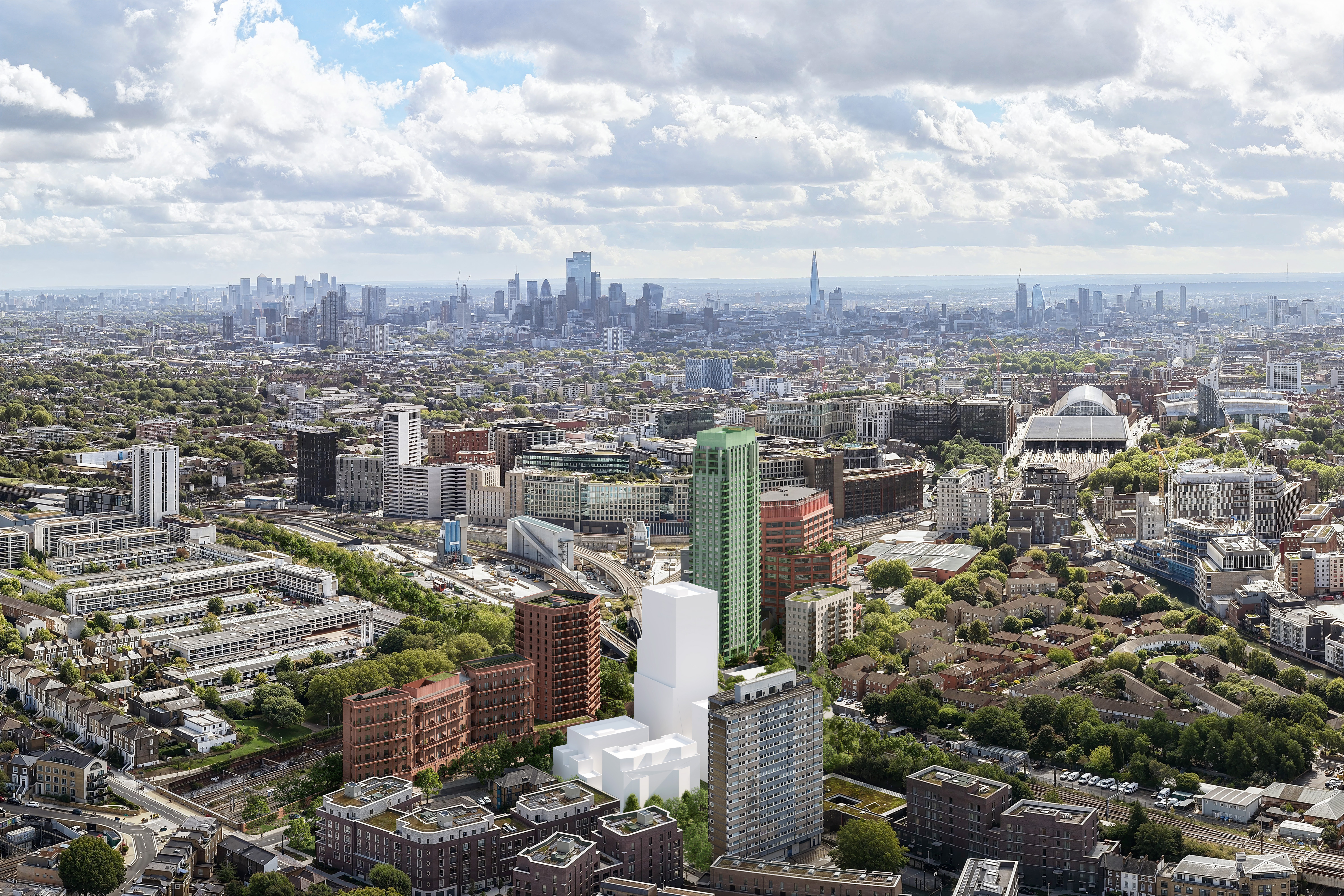
Planning consent granted for Camley Street regeneration
Camden Council’s Community Investment Programme, in partnership with Ballymore and Lateral, has secured planning consent for the regeneration of Camley Street in north London, marking a major milestone for one of the borough’s most ambitious mixed-use regeneration projects.
The consented scheme brings together two brownfield sites to create a new, well-connected neighbourhood delivering 401 new homes, 50% of which will be genuinely affordable. The development will also provide new employment space, community facilities and high-quality public realm, supporting Camden’s commitment to inclusive growth and long-term investment through its Community Investment Programme.
The masterplan for the site creates a place to live, work and grow, with new streets and green spaces stitching the site into surrounding neighbourhoods including Camden Town, King’s Cross, Agar Grove, Elm Village and Maiden Lane. Homes are complemented by creative maker spaces, affordable business units and a flexible science and technology hub designed to support the UK’s fast growing innovation sectors. A community “mixer space” will host learning, training and engagement activities, including opportunities linked to Lateral’s STEM for Life programme.
Landscape-led design is central to the scheme, with new walking and cycling routes, play spaces and public squares prioritising health, wellbeing and biodiversity. A car-free approach encourages sustainable travel and strengthens connections to Regent’s Canal, and enables future links to the proposed Camden Highline.
Commenting on the decision, Councillor Nasrine Djemai, Cabinet Member for New Homes and Community Investment at Camden Council, said:
“This is a fantastic outcome for Camden and our residents. The redevelopment at Camley Street will provide hundreds of new affordable, family-sized, energy-efficient homes in the borough, of which nearly 50% will be genuinely affordable homes for local people.
“Combining homes with commercial development will also support local growth and provide over 1000 job and training opportunities that will directly benefit our residents. The life science, technology, and digital industries are booming in Camden and we want to facilitate this growth, but more crucially, we want to ensure our residents have access to the jobs created by them. This includes placements for school children and creating apprenticeships and training, so that residents growing up in the borough have clear and varied pathway into these jobs.
“Following almost five years of engagement with local communities and businesses to create a shared vision for Camley Street, we’re delighted to get the go ahead for a scheme that delivers on many of the asks of the Neighbourhood Forum, and aligns with the aspirations and needs of local people.”
John Mulryan, Chief Executive Officer, Ballymore (UK) added:
“Achieving planning consent for this scheme just 14 months after we were chosen as the development partner is a testament to the work of the entire team and shows how the public and private sectors can work together to deliver the places we need.
“We look forward to continuing to work with our partners and the local community, to deliver the high-quality homes, green spaces and commercial uses that will make Camley Street a thriving community in the heart of Camden.”
Rob Beacroft, Co-founder, Lateral said:
“We’re delighted that our plans to integrate high growth innovation sectors into the new Camley Street neighbourhood have been positively received. We believe urbanising innovation brings both responsibility and enormous opportunity. That’s why we’ve designed a building that not only provides affordable innovation space and supports early-stage ventures, but also opens up to the public through The Mixer – a space for learning, collaboration and community.”
The development will also deliver significant social and economic benefits, including job creation, apprenticeships and training opportunities for local people, helping ensure residents can access the employment created on their doorstep.
The first homes on the site are expected to be ready for occupation by late 2030.
Related Articles
 News
News
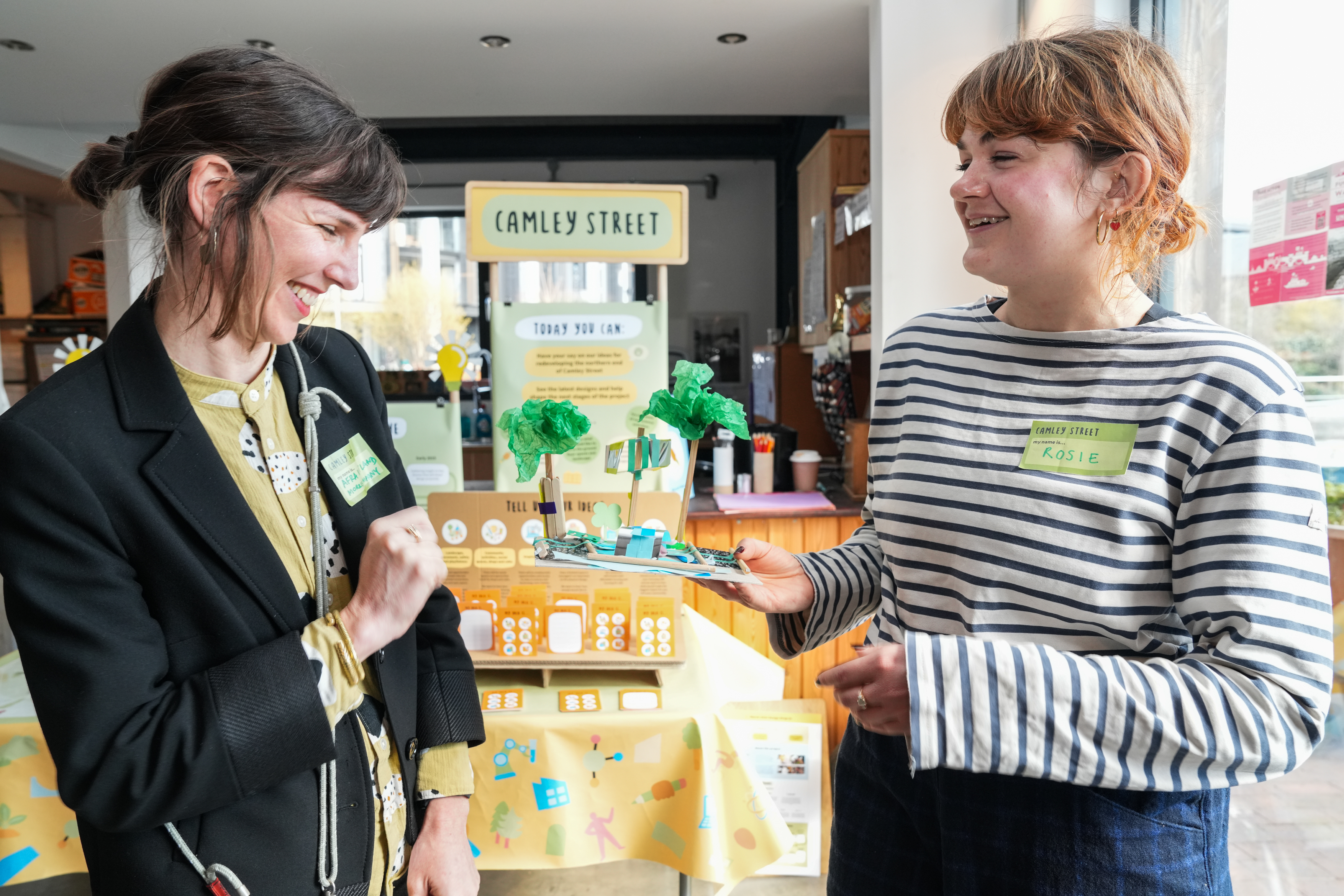
Camley Street engagement programme now launched
A comprehensive programme of engagement is now underway in Camden, following Ballymore’s appointment to deliver the Camley Street project in partnership with science and tech developer and operator Lateral, and Camden Council.
Read More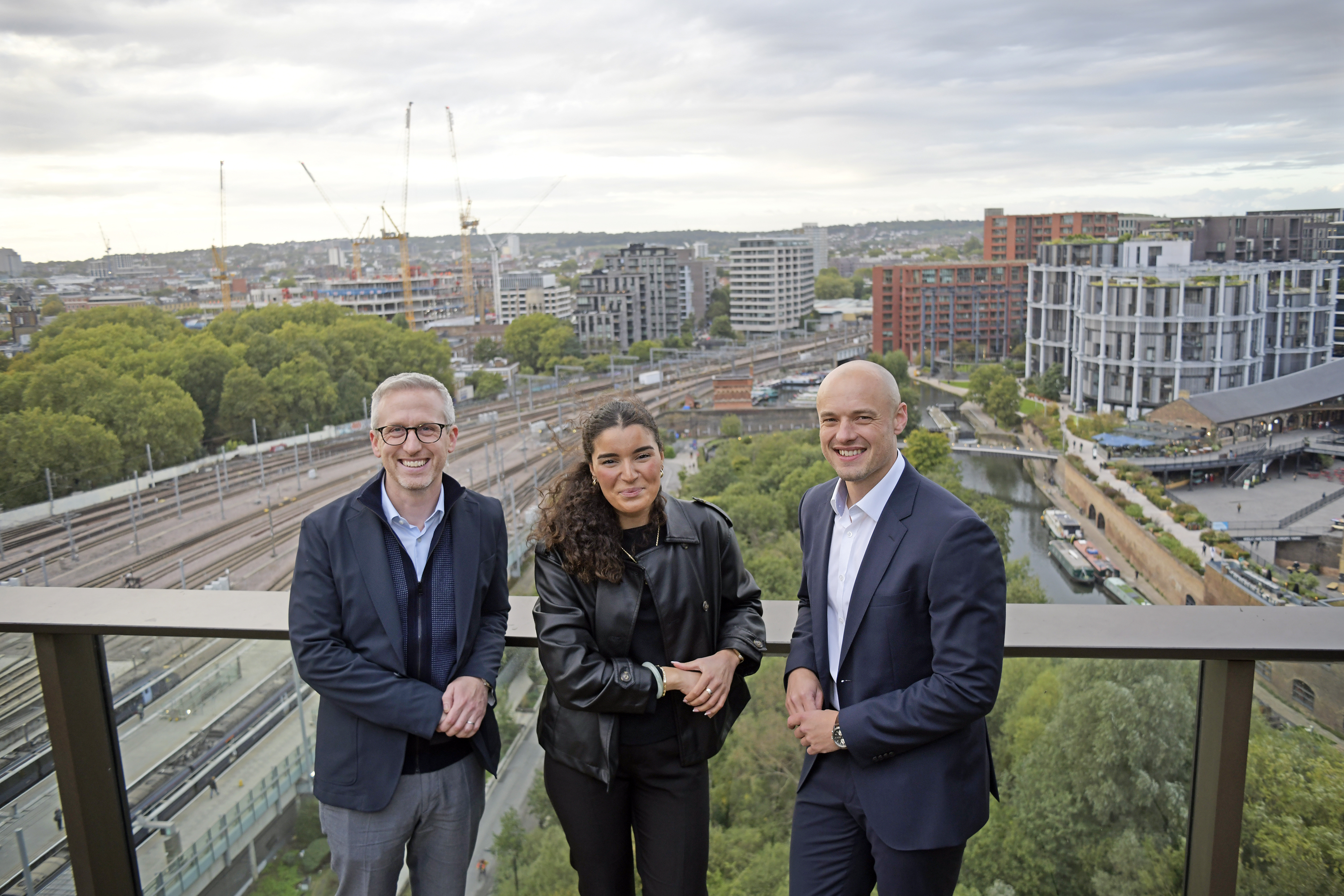
Camden Council selects Ballymore and Lateral as JV partners at Camley Street
Camden Council’s plans to deliver new affordable homes and 1,000 new jobs at Camley Street have moved a step closer after announcing the selection of Ballymore and Lateral as Joint Development Partners to work with the Council on the project
Read More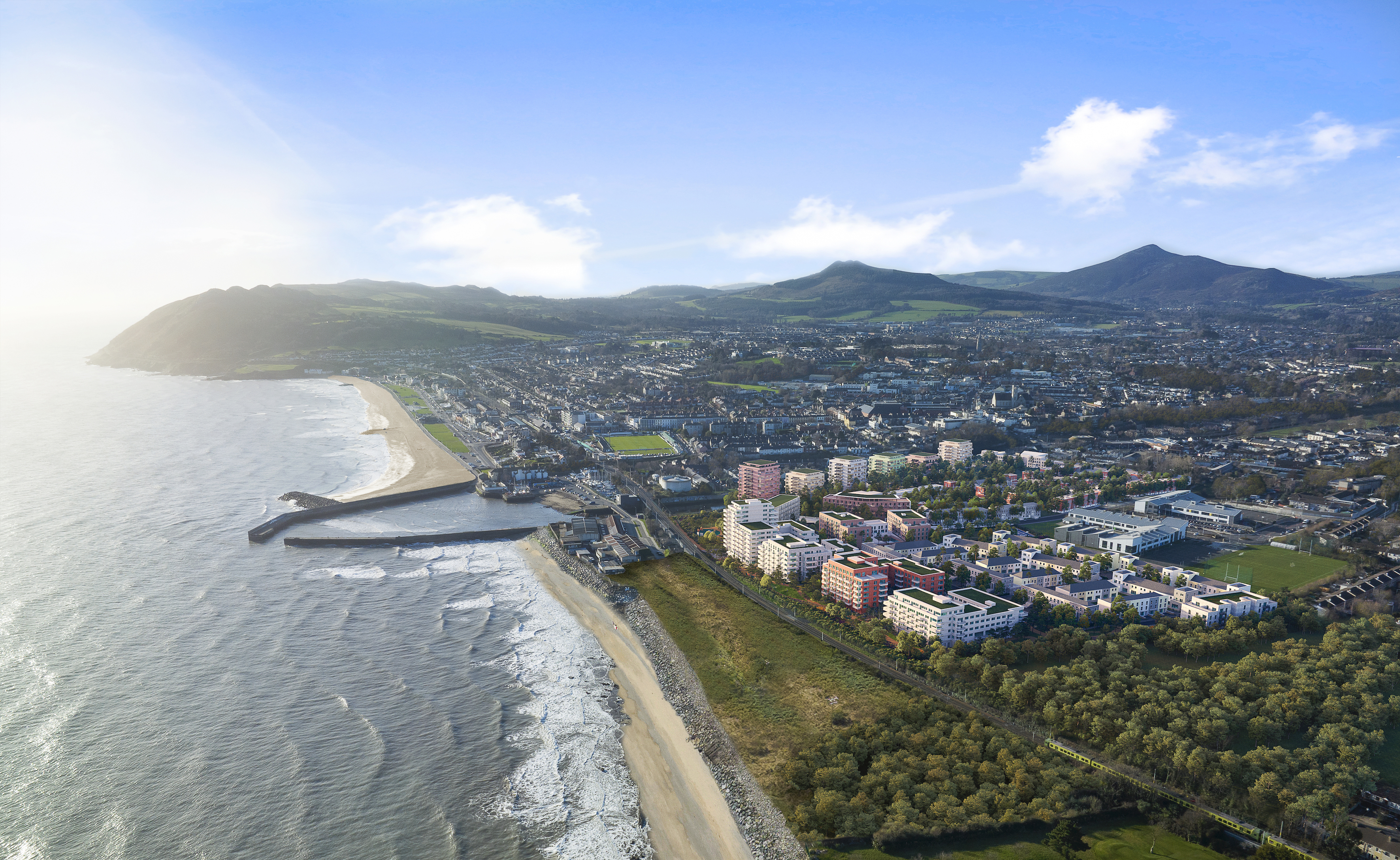 News
News
A first look at Sea Gardens in Bray
Ballymore releases new coastal homes for sale in Bray
Read More