
Royal Wharf points the way to delivering essential homes
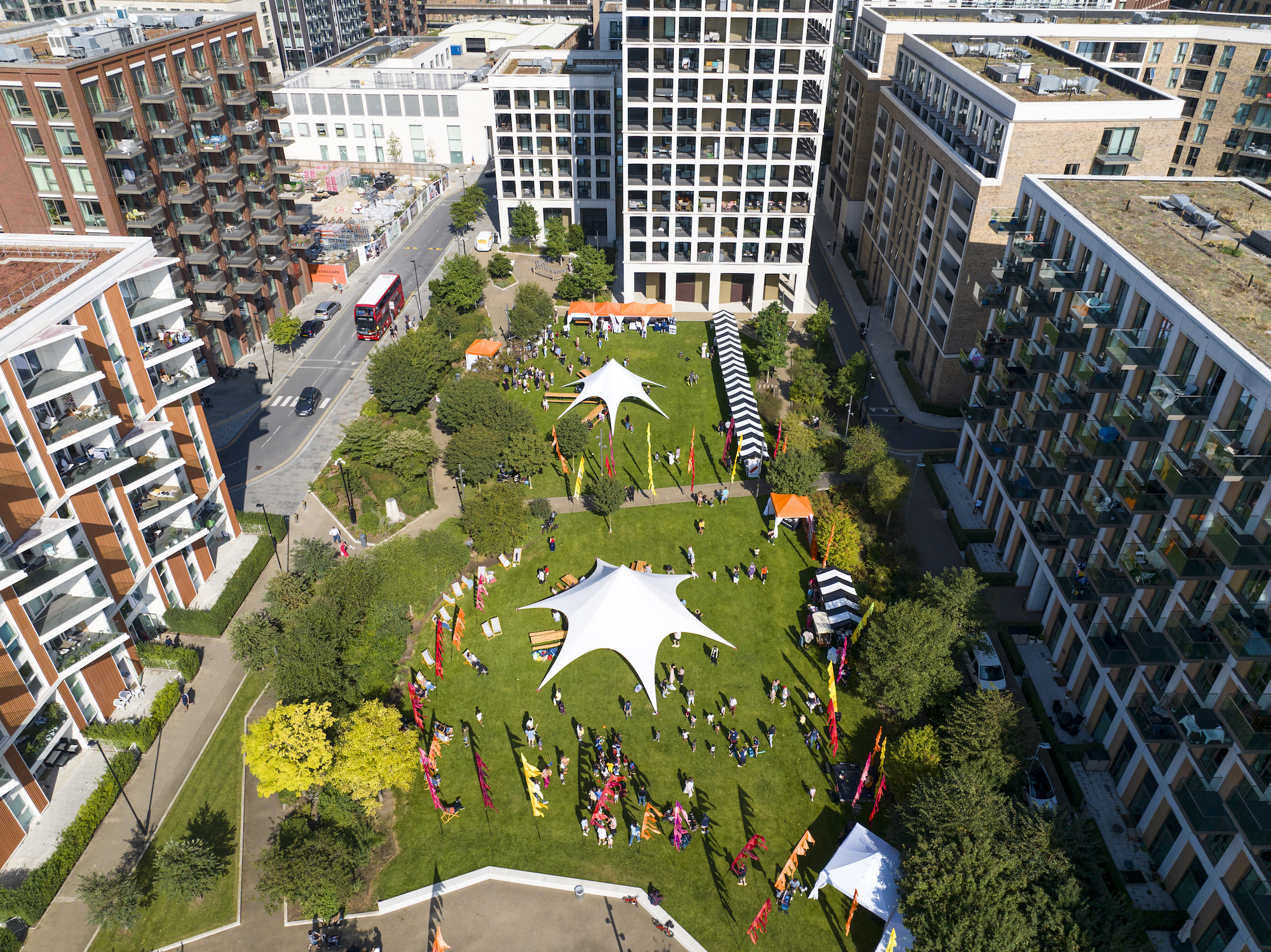
With 10,000 residents, shops, cafes, a school, businesses and its own football club, Royal Wharf is seen by those who live and work there as a true community and it could be a model for the future.
As the government looks to boost delivery of new homes, Ballymore’s Royal Wharf in east London is demonstrating how large-scale development can create desirable places, meet today’s urgent need for housing and foster communities.
Ballymore brought resources and vision to transform this 40-acre site beside the River Thames. “We saw this as a massive opportunity to create a new town effectively,” says John Mulryan, the company’s Managing Director. “So we’ve built a new high street, new school, shops, businesses - all have relocated to this place, which only a few years ago was a completely barren wasteland and has now been turned into home for 10,000 people.”
“It’s not just about creating homes. It’s about creating the infrastructure, the community and the facilities, so that what we’re building is not just a housing estate; it’s a proper place,” stresses Glenn Howells, Director and founder of architect Howells, which masterplanned the new neighbourhood.
Alongside c.4,000 homes, Royal Wharf has restaurants, cafes, community centre, a dentist, pharmacy, green spaces and Royal Wharf Pier, London’s longest riverboat terminal and the newest stop on the Uber by Thames Clippers service. All this and more were constructed in just six years. “What’s remarkable about that is it enabled the community to take root and grow and become established very, very quickly,” explains Howells.
Watch our video to learn more about Royal Wharf's transformation story.
Those who live and work in the area agree. “A very significant value that we have is that we want to involve our school in the community, and the community in our school,” says Linda-May Bingham, Executive Head Teacher at the new Royal Wharf Primary School. “There’s definitely a very strong sense of community spirit at Royal Wharf and it’s a very vibrant, positive place for families to live”. Nicola Micah, owner of the nearby Little Hudson Café, says, “I feel like the area has a really good community spirit, especially now that a lot more shops and local businesses have opened up”.
That community spirit comes not only from the amenities, but also from the activities on offer, many of them organised by local charity, the West Silvertown Foundation, which has a centre at Royal Wharf. “There’s always something going on and there’s always opportunities to meet people and make really, really good friends,” says new resident Chandrika.
As a result, residents describe Royal Wharf as a diverse and welcoming community. “There are lots of young families or couples with dogs and everyone’s really friendly,” says resident Jo. “It’s not like in other places where you don’t really know your neighbours,” says resident Jonnie. “We’ve got friends more than neighbours.”
Royal Wharf’s community spirit continues to grow, thanks to the efforts of residents like Vito Monteiro. “I was always passionate about football and coaching, so I decided to start a football club to bring the community together,” he explains. Royal Wharf FC is already making its mark in the Echo Junior league, its under 7s team proudly taking home a trophy last year.
The challenge for the government is to replicate the successes of Royal Wharf to meet the pressing demand for new homes; Mulryan has an answer. “If we want the private sector to build more homes in London, we need to have an environment that encourages investment,” he says. Royal Wharf did not require public funding but attracted capital from international investors.
“In Royal Wharf, we had a Singaporean development partner in Oxley – they could have invested anywhere in the world, but they decided they wanted to invest in London residential,” Mulryan continues. “That was a positive thing for London and a positive thing for the 10,000 people who now call this their home. I think we need to see that type of investment as a good thing for our city and we need housing and fiscal policy to incentivise this kind of investment which would not be possible in the current environment.”
相關文章
 觀點
觀點
皇家碼頭為宜居家園樹立典範
皇家碼頭是個擁有1萬居民、各類商店、咖啡館、一所學校、多家企業及一支專屬足球俱樂部的繁榮社區。被居住和工作在這裡的人們譽為是一個真正宜居的社區,這個成功的社區模式將成為未來社區建設的典範。
更多
觀點
皇家码头为宜居家园树立典范
皇家码头是一个拥有1万居民、各类商店、咖啡馆、一所学校、多家企业及一支专属足球俱乐部的繁荣社区。被居住和工作在这里的人们誉为是一个真正宜居的社区,这个成功的社区模式将成为未来社区建设的典范。
更多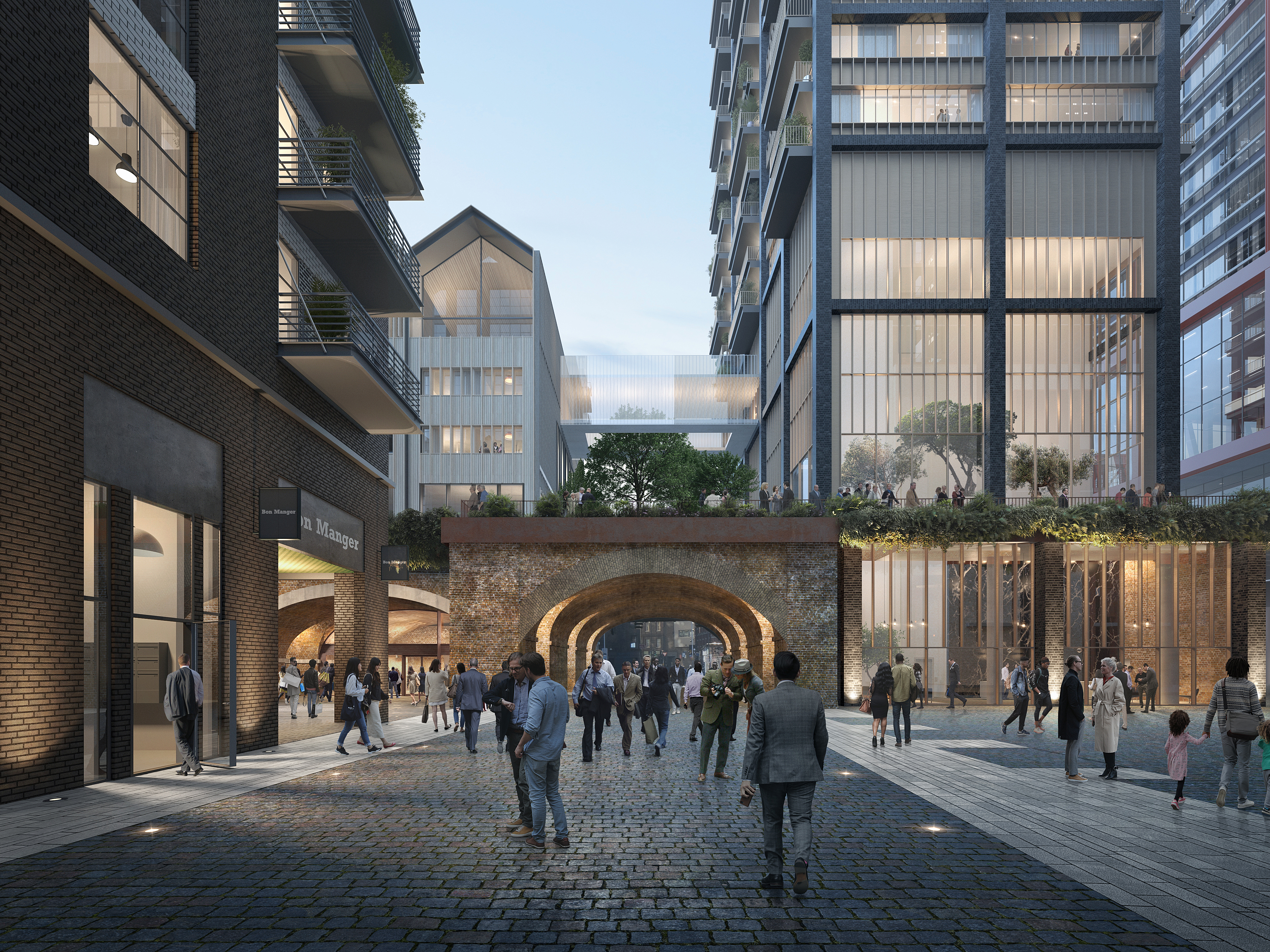 觀點
觀點
Industry pulse: redefining the workplace
The city office sector is in a state of flux, as it continues to get to grips with the lasting impacts of the pandemic on working practices and market demand. But looking ahead, Ballymore’s creative director Roger Black highlights four ideas that are set to redefine the workplace at locations like our project Bishopsgate Goodsyard in Shoreditch.
更多